Kargoplex
2025
Kargoplex
2025
Kargoplex
2025
Type
Type
ui/ux, Interaction Design, User testing, Prototyping
ui/ux, Interaction Design, User testing, Prototyping
Client
Client
KArgoplex
KArgoplex
overview
overview
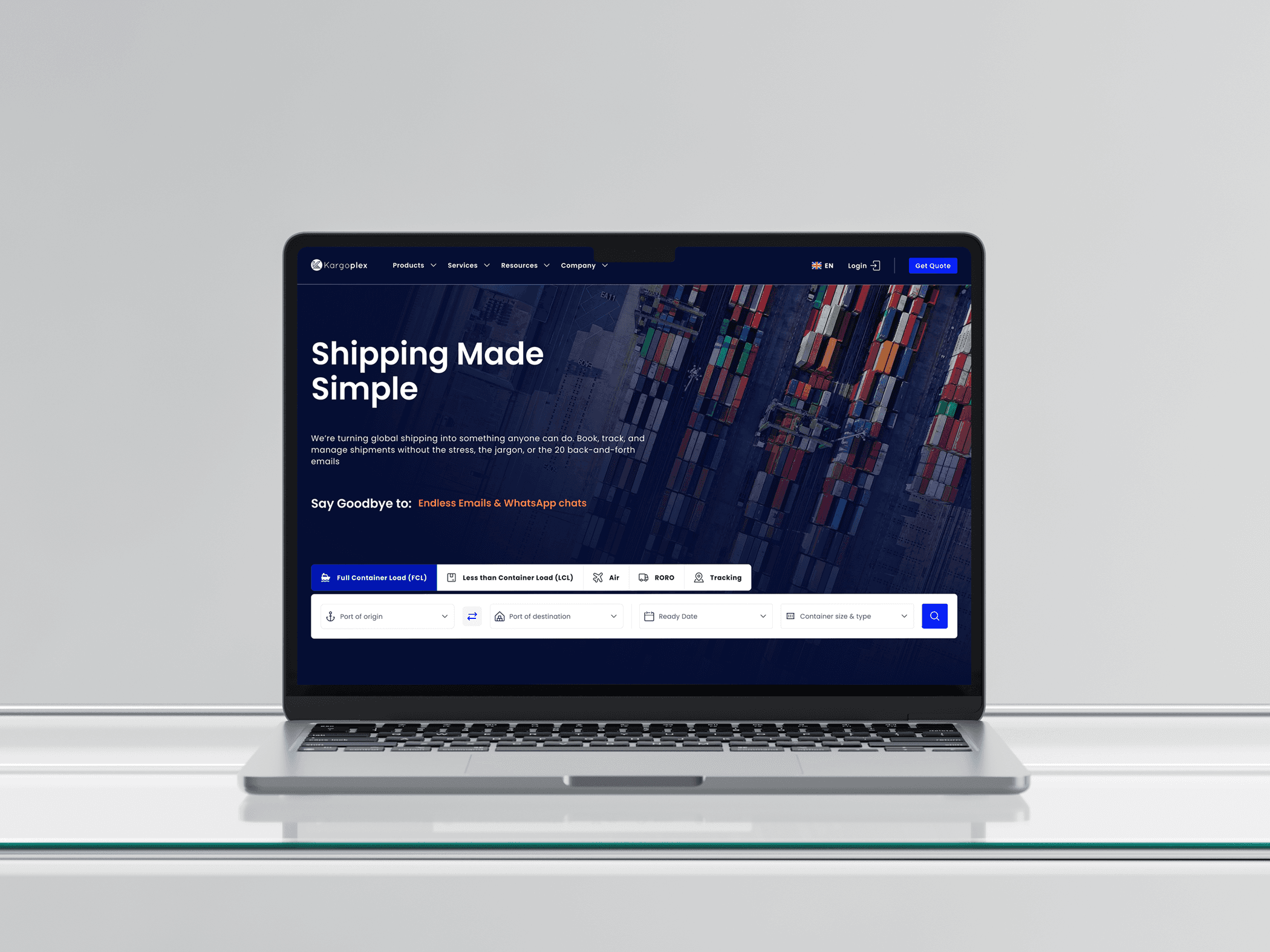
Kargoplex is a logistics and freight platform designed to connect shippers and freight forwarders, simplifying the inherently complex process of global supply chain management. This project involved a complete end-to-end UI/UX redesign of both the web application ecosystem and the public-facing website, turning a fragmented logistical process into a seamless, high-efficiency digital platform.
Kargoplex is a logistics and freight platform designed to connect shippers and freight forwarders, simplifying the inherently complex process of global supply chain management. This project involved a complete end-to-end UI/UX redesign of both the web application ecosystem and the public-facing website, turning a fragmented logistical process into a seamless, high-efficiency digital platform.
My Role
My Role
As the Lead Product Designer, I owned the entire user experience lifecycle. My responsibilities included:
End-to-End UI/UX Redesign: Overhauling the interface and user journeys for both the public marketing website and the core web application.
Workflow Optimization: Mapping and streamlining dense B2B logistics procedures into logical, frictionless digital workflows.
High-Fidelity Prototyping: Creating interactive, pixel-perfect prototypes to validate design solutions and facilitate smooth engineering handoffs.
Design System & Navigation: Developing an intuitive navigation framework tailored to multi-tiered user types (shippers vs. forwarders).
As the Lead Product Designer, I owned the entire user experience lifecycle. My responsibilities included:
End-to-End UI/UX Redesign: Overhauling the interface and user journeys for both the public marketing website and the core web application.
Workflow Optimization: Mapping and streamlining dense B2B logistics procedures into logical, frictionless digital workflows.
High-Fidelity Prototyping: Creating interactive, pixel-perfect prototypes to validate design solutions and facilitate smooth engineering handoffs.
Design System & Navigation: Developing an intuitive navigation framework tailored to multi-tiered user types (shippers vs. forwarders).
Problem Statement
Problem Statement
Logistics platforms are notoriously plagued by dense data, hidden complexities, and steep learning curves. The legacy Kargoplex system suffered from fragmented workflows and a chaotic information architecture. Users, both shippers managing cargo and forwarders handling operations, were bogged down by overwhelming dashboards, repetitive data entry, and confusing navigation, which directly caused operational delays and increased human error.
Logistics platforms are notoriously plagued by dense data, hidden complexities, and steep learning curves. The legacy Kargoplex system suffered from fragmented workflows and a chaotic information architecture. Users, both shippers managing cargo and forwarders handling operations, were bogged down by overwhelming dashboards, repetitive data entry, and confusing navigation, which directly caused operational delays and increased human error.
The Goal
The Goal
The objective was to demystify complex freight logistics by introducing an intuitive, highly efficient digital environment. Specifically, the redesign targeted:
Frictionless Workflows: Reducing the steps required to book, track, and manage shipments.
Role-Specific Experiences: Customizing the user interface to serve the distinct operational needs of shippers and forwarders without creating two completely separate platforms.
Enhanced Navigation: Designing a clear, scalable navigation system that gives users instant access to tracking, invoicing, and messaging tools.
The objective was to demystify complex freight logistics by introducing an intuitive, highly efficient digital environment. Specifically, the redesign targeted:
Frictionless Workflows: Reducing the steps required to book, track, and manage shipments.
Role-Specific Experiences: Customizing the user interface to serve the distinct operational needs of shippers and forwarders without creating two completely separate platforms.
Enhanced Navigation: Designing a clear, scalable navigation system that gives users instant access to tracking, invoicing, and messaging tools.


dESIGN Framework
dESIGN Framework
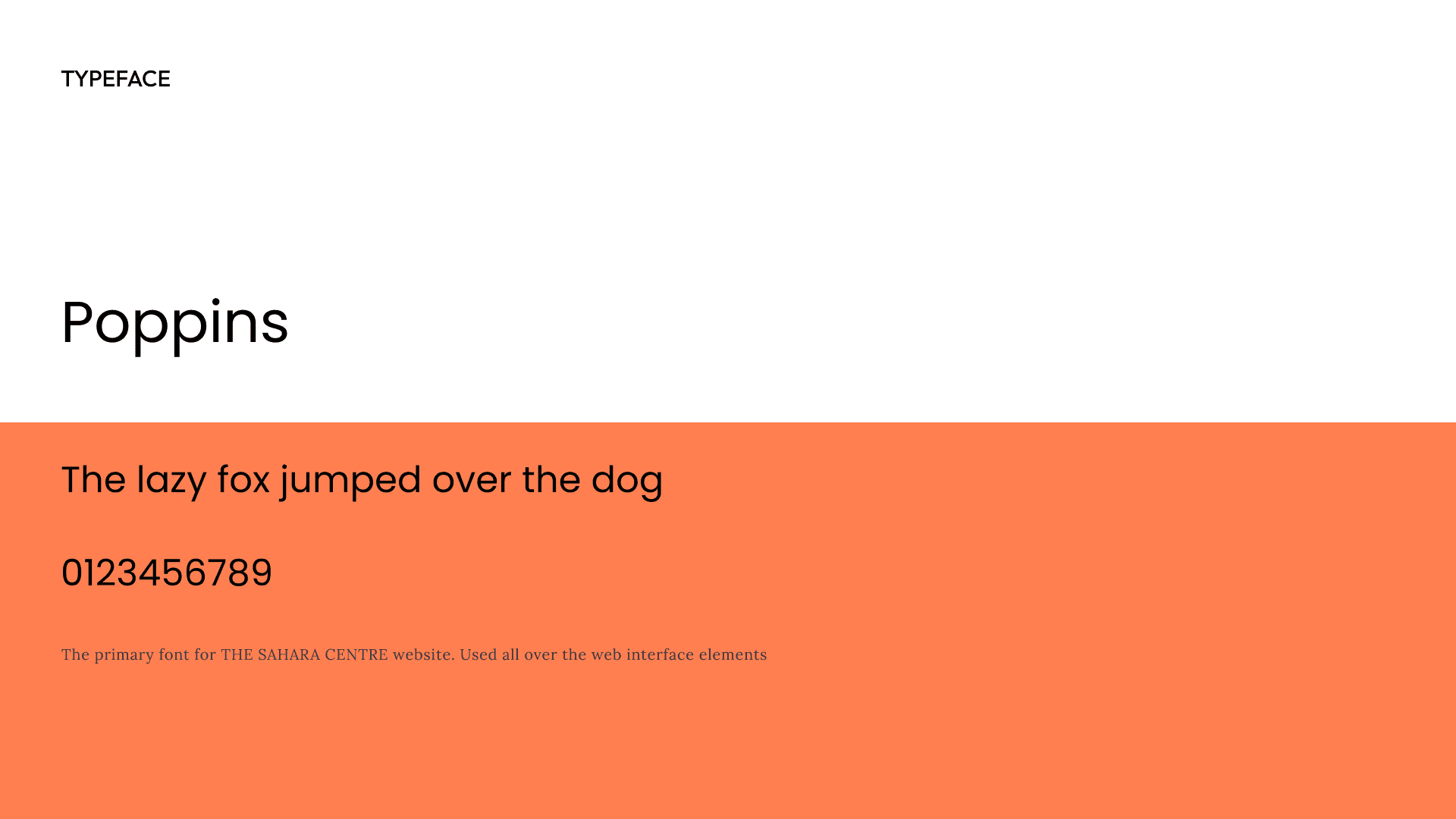
True to a philosophy where usability holds absolute priority over aesthetics, the design system for Kargoplex was built around data density management and clarity:
Information Hierarchy: Utilizing crisp, functional typography to make dense operational data readily scannable at a glance.
Minimalist Dashboard Architecture: Implementing generous whitespace and functional color-coding to highlight critical actionable data (e.g., pending approvals, delayed shipments) without causing sensory overload.
Intentional Visual Language: Stripping away decorative elements to favor high-contrast UI components that work reliably across varying screen resolutions.
True to a philosophy where usability holds absolute priority over aesthetics, the design system for Kargoplex was built around data density management and clarity:
Information Hierarchy: Utilizing crisp, functional typography to make dense operational data readily scannable at a glance.
Minimalist Dashboard Architecture: Implementing generous whitespace and functional color-coding to highlight critical actionable data (e.g., pending approvals, delayed shipments) without causing sensory overload.
Intentional Visual Language: Stripping away decorative elements to favor high-contrast UI components that work reliably across varying screen resolutions.
Design Planning & Thought Process
Design Planning & Thought Process
The complexity of freight forwarding required a rigorous, system-level planning approach:
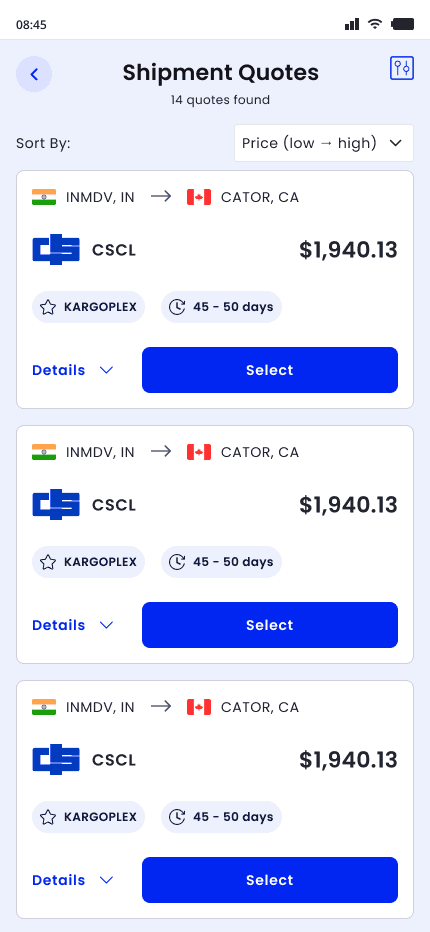
Workflow Mapping: I mapped the dual user journeys—one for the shipper (focusing on booking, cost estimation, and milestone tracking) and one for the forwarder (focusing on bid management, route optimization, and manifest documentation).
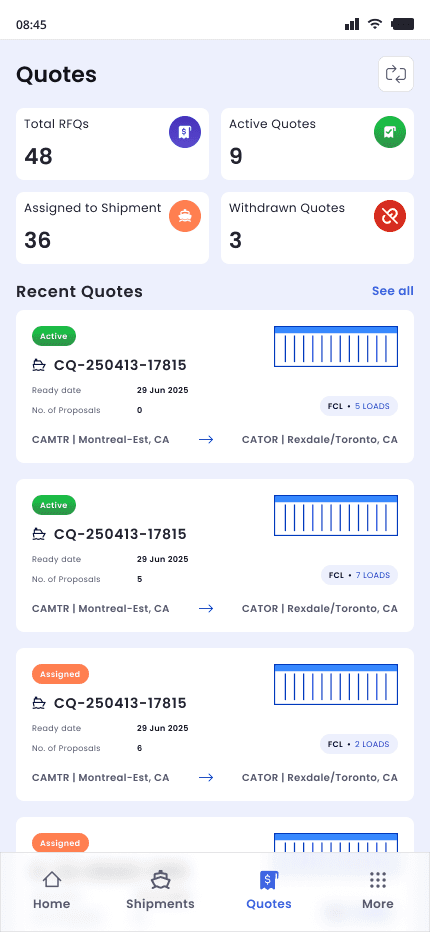
Navigation Restructuring: I designed a unified dashboard navigation structure that adapted contextually based on the user's logged-in role, ensuring tools were always exactly where users expected them to be.
Iterative Prototyping: I built comprehensive high-fidelity prototypes to test critical, high-friction paths like the freight booking funnel and live cargo tracking widgets.
Edge-Case Planning: Designed explicit layouts for complex operational scenarios, such as missing customs documentation, routing exceptions, and multi-leg shipment updates.
The complexity of freight forwarding required a rigorous, system-level planning approach:
Workflow Mapping: I mapped the dual user journeys—one for the shipper (focusing on booking, cost estimation, and milestone tracking) and one for the forwarder (focusing on bid management, route optimization, and manifest documentation).
Navigation Restructuring: I designed a unified dashboard navigation structure that adapted contextually based on the user's logged-in role, ensuring tools were always exactly where users expected them to be.
Iterative Prototyping: I built comprehensive high-fidelity prototypes to test critical, high-friction paths like the freight booking funnel and live cargo tracking widgets.
Edge-Case Planning: Designed explicit layouts for complex operational scenarios, such as missing customs documentation, routing exceptions, and multi-leg shipment updates.




Challenges
Challenges
Data-Heavy Interfaces: Freight management relies on massive datasets (tariffs, container specs, tracking numbers, customs statuses). Keeping the interface minimalist and clean while displaying all required technical data was a major balancing act.
The Dual-User Dilemma: Shippers want simplicity and rapid visibility; forwarders require deep granular control and power-user tools. Harmonizing these conflicting user needs within a single, cohesive design ecosystem required deep structural intentionality.
Complex Handoffs: Ensuring that intricate interactive prototypes, complete with conditional states and real-time data visualizers, were successfully interpreted by the technical engineering team.
Data-Heavy Interfaces: Freight management relies on massive datasets (tariffs, container specs, tracking numbers, customs statuses). Keeping the interface minimalist and clean while displaying all required technical data was a major balancing act.
The Dual-User Dilemma: Shippers want simplicity and rapid visibility; forwarders require deep granular control and power-user tools. Harmonizing these conflicting user needs within a single, cohesive design ecosystem required deep structural intentionality.
Complex Handoffs: Ensuring that intricate interactive prototypes, complete with conditional states and real-time data visualizers, were successfully interpreted by the technical engineering team.

Outcome
Outcome
The final redesign successfully transformed Kargoplex from a complex utility into a competitive edge:
Streamlined Logistics: The new, optimized end-to-end workflows dramatically cut down the time required to initiate bookings and manage shipping manifests.
Boosted Operational Efficiency: Shippers and forwarders reported a steep drop in cognitive load and navigation friction, translating to faster processing times and fewer data entry errors.
Unified Digital Identity: The public website and the product dashboard were brought under a single, highly professional, and cohesive visual language that built instant trust in a high-stakes industry.
The final redesign successfully transformed Kargoplex from a complex utility into a competitive edge:
Streamlined Logistics: The new, optimized end-to-end workflows dramatically cut down the time required to initiate bookings and manage shipping manifests.
Boosted Operational Efficiency: Shippers and forwarders reported a steep drop in cognitive load and navigation friction, translating to faster processing times and fewer data entry errors.
Unified Digital Identity: The public website and the product dashboard were brought under a single, highly professional, and cohesive visual language that built instant trust in a high-stakes industry.